01 - Product
Product
B2B SaaS platform for corporate conduct management and whistleblowing, used by companies to receive, classify, investigate and close reports in compliance with Brazil's NR 1 and LGPD regulations. There are three users with distinct relationships to the same case.
The person reporting, who needs anonymity and confidence that they will be taken seriously. The investigator at the client company, who needs context and traceability to conduct the inquiry. And Safe Space's back office, made up of the support and CS teams, who follow up, unblock and provide investigation services to accounts that hire channel management.
The product operates under a structural constraint: sustaining the anonymity of whoever reports while guaranteeing enough traceability for the other two sides to do their work.
02 - Challenge
Challenge
The admin panel had accumulated four channels with separate databases and flows, inherited from successive iterations of the platform. The initial hypothesis was an interface problem: improve navigation between them. The diagnosis showed something else.
The cost wasn't in navigating between dashboards, but in rebuilding context at every switch. A report that started as a question and turned into a complaint had already gone through two systems, and nobody could tell the full story without opening both.
For the back office, which runs dozens of accounts at the same time, that cost stopped being an annoyance and became a capacity limit. On the employee side, the problem came before the product. They had to classify their own situation before knowing what they had to say.
- 01
Four independent channels and dashboards
- 02
Fully manual investigation cycle, end to end
- 03
Volume growth without a proportional gain in capacity
- 04
NR 1 and LGPD as a structural constraint on the project
03 - Discovery
Discovery
One in six reports died at the entrance.
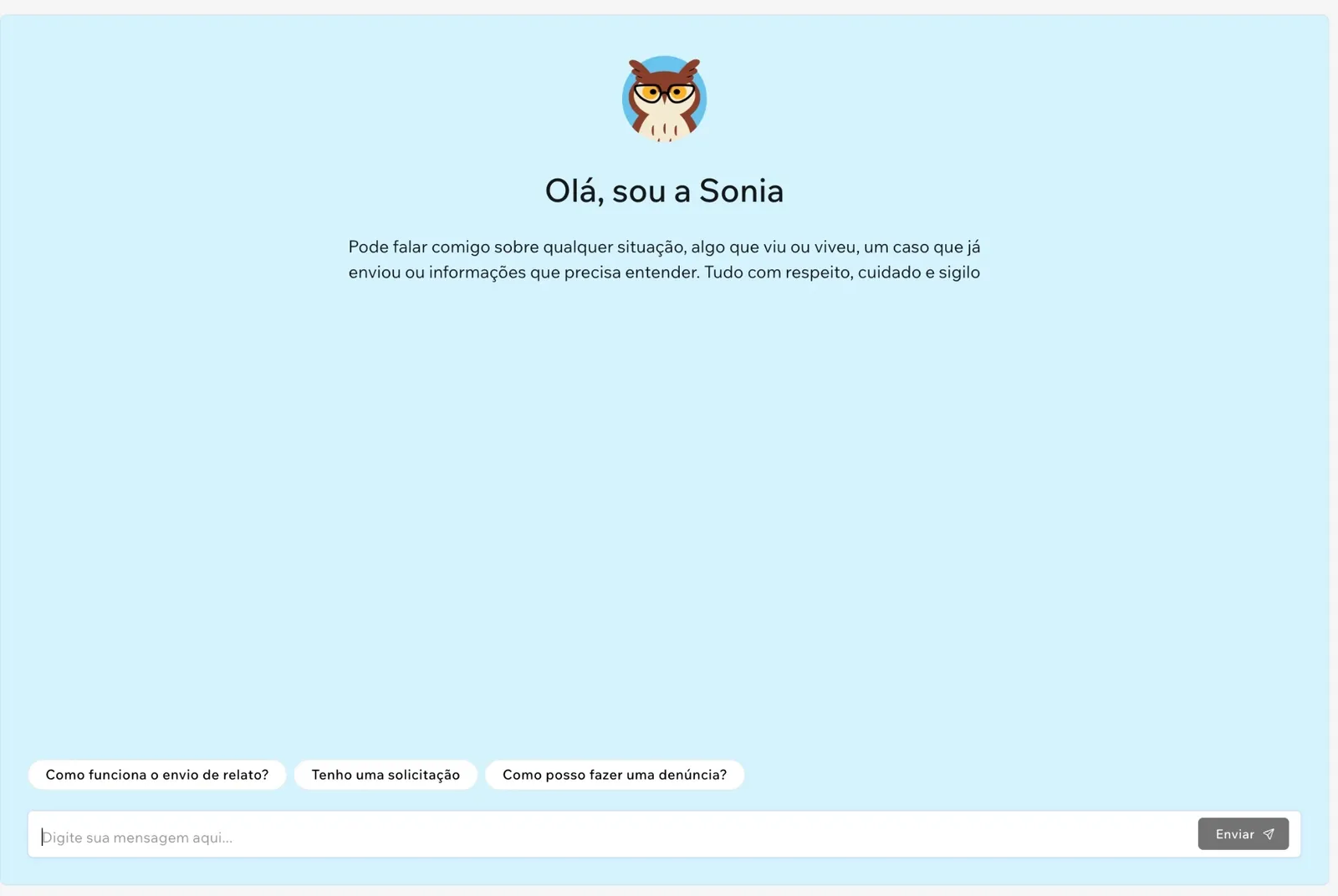
In the case base, 16.45% were closed due to insufficient information. That isn't an investigation failure, it's a collection failure. Reports arrived without what was needed to investigate them, and the reason was at the door: choosing between complaint, grievance and question is already a judgment, and people who aren't sure give less information or give up.
Time wasn't spent on the decision, it was spent on context.
The operation's SLA structure defines complexity by the number of interviews and pieces of evidence, with simple cases running in a few weeks. The actual average time was much longer. The difference was in everything that came before the investigation: reading, understanding, summarizing, classifying and routing, with the admin jumping between systems to piece together the story of a case.
Volume tends to grow, not stabilize.
The ACFE's 2024 report, which analyzed 1,921 occupational fraud cases across 138 countries, shows that 43% of frauds are detected through tips, more than three times any other method, and that 52% of tips come from employees themselves. Whistleblowing channels are companies' main detection mechanism, and regulatory pressure pushes volume up. An operation that doesn't scale case preparation breaks down by arithmetic.
What this defined.
Unifying the channels solved the entry point and the context switching, but kept the manual cycle. Automating the investigation would have solved the wrong problem, because the bottleneck wasn't judging, it was preparing to judge. That's why AI came into the mechanical step and stopped there, and why the refactor and the AI became a single project. Apart, each would have delivered half.
04 - Solution
Solution
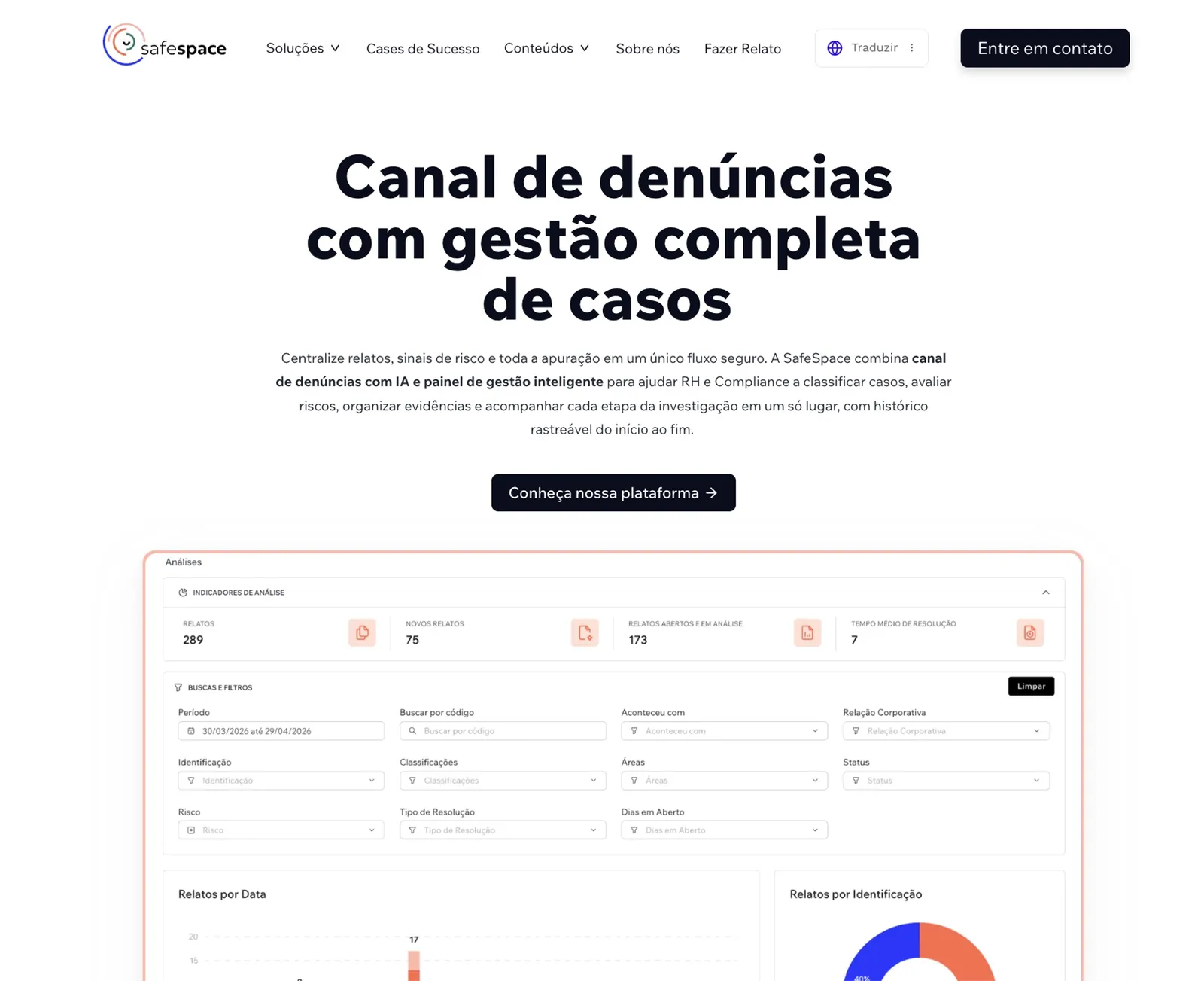
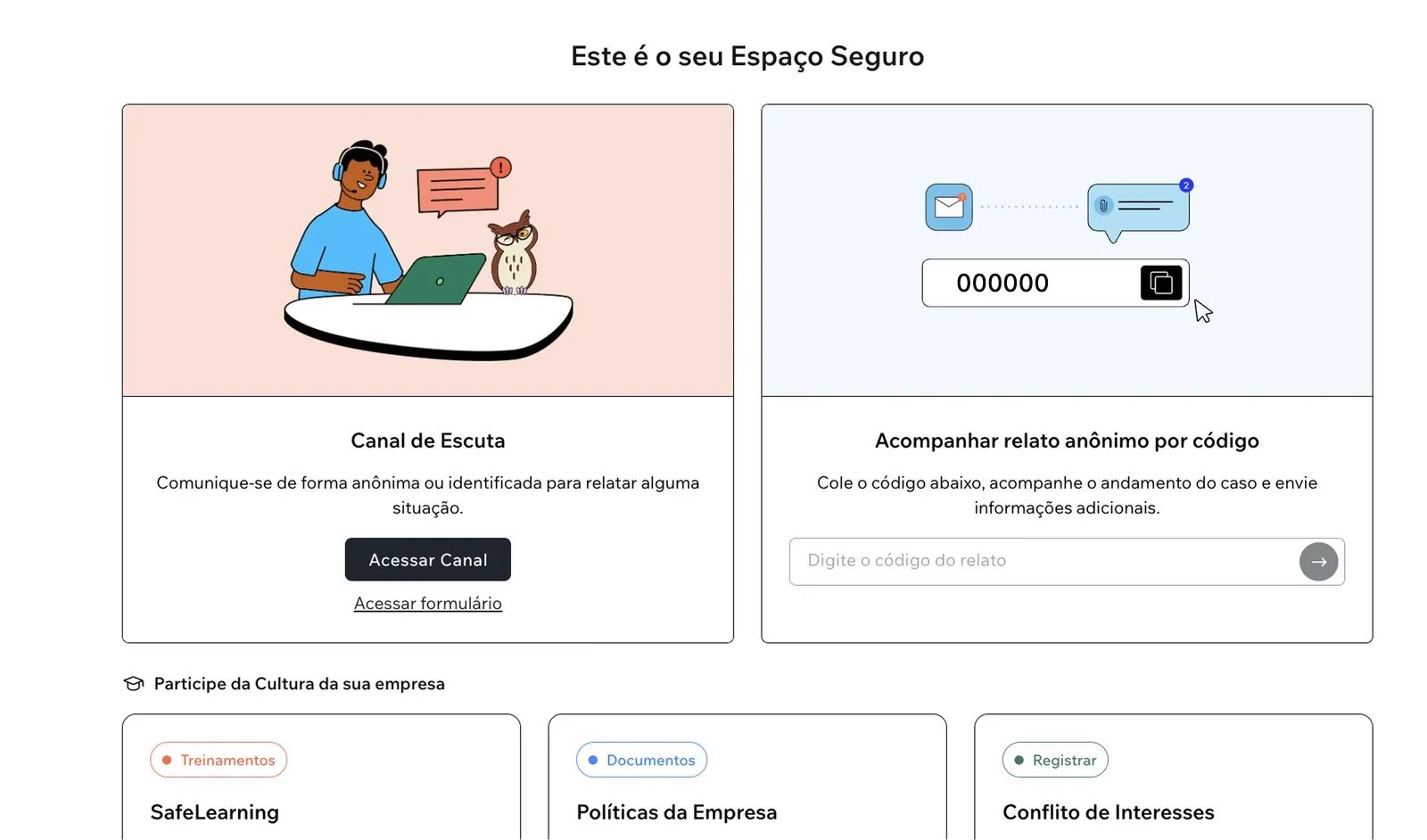
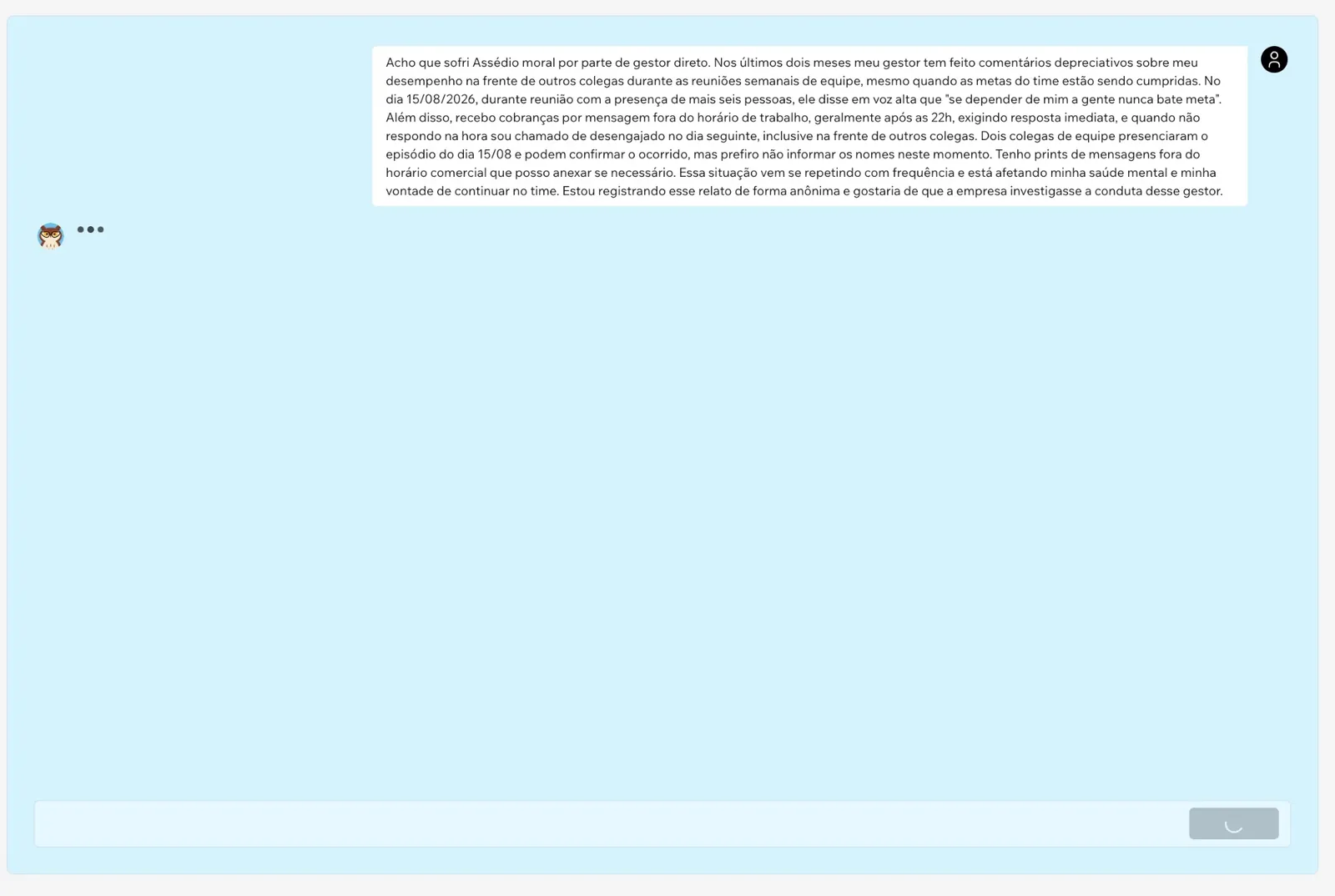
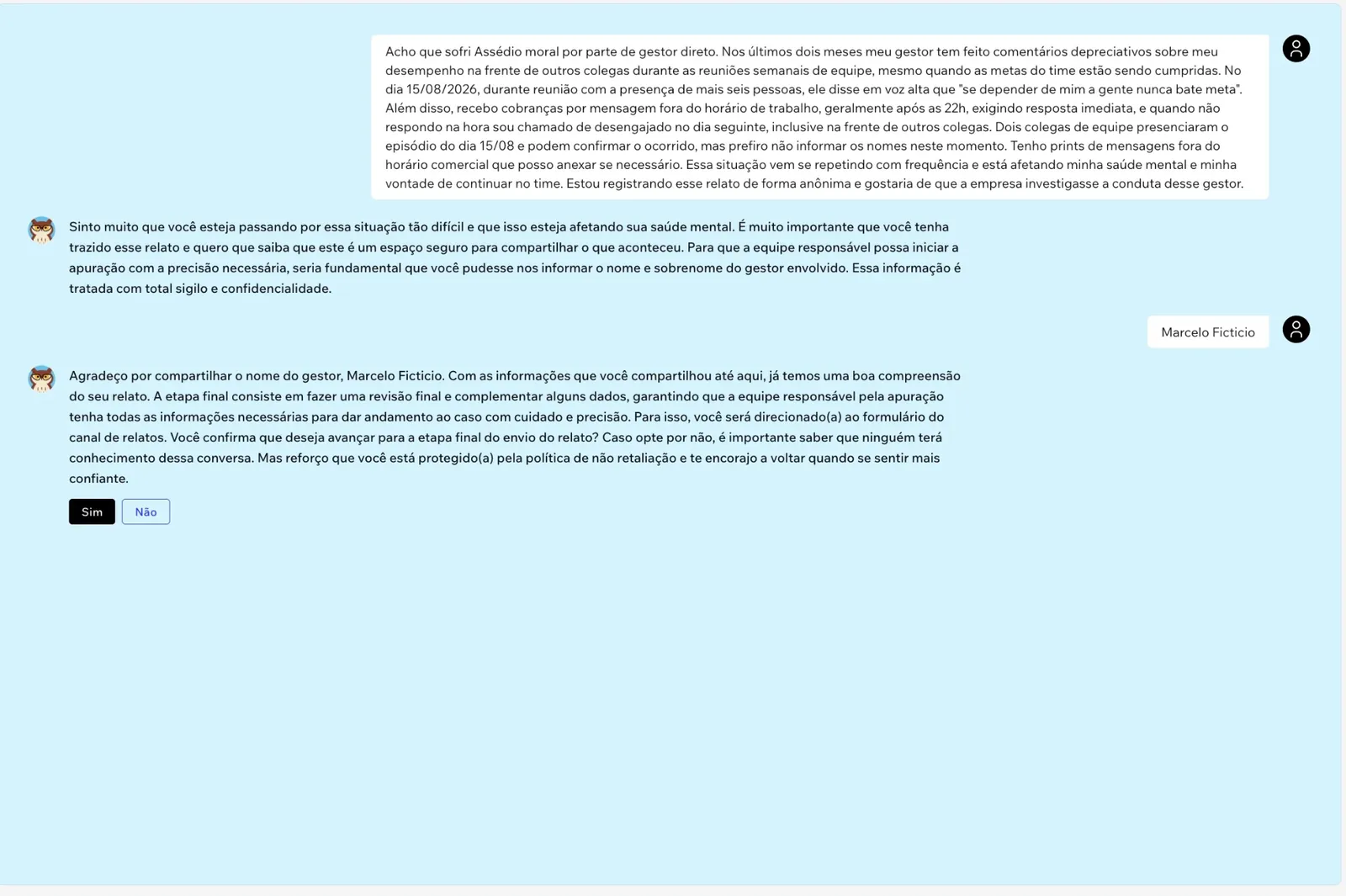
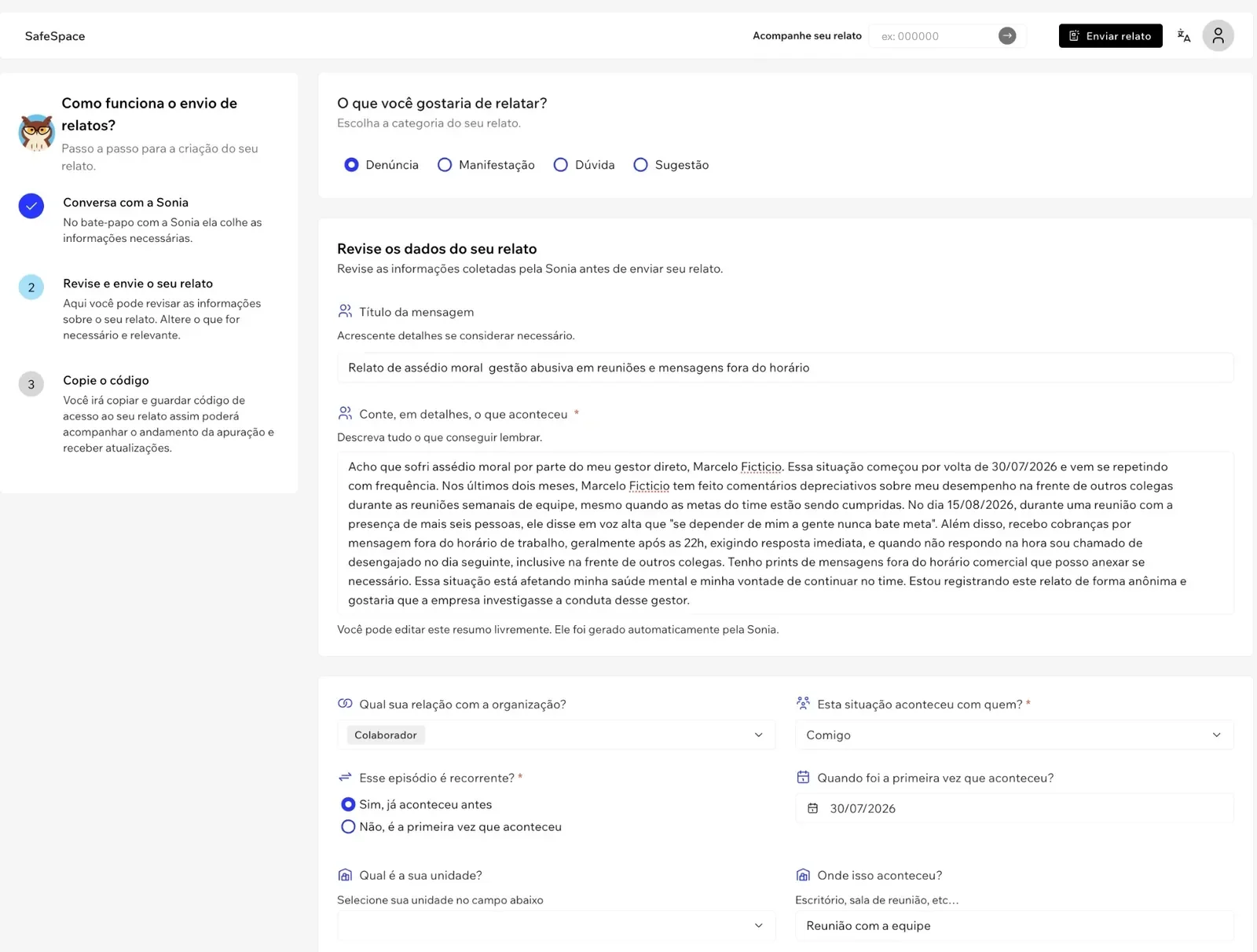
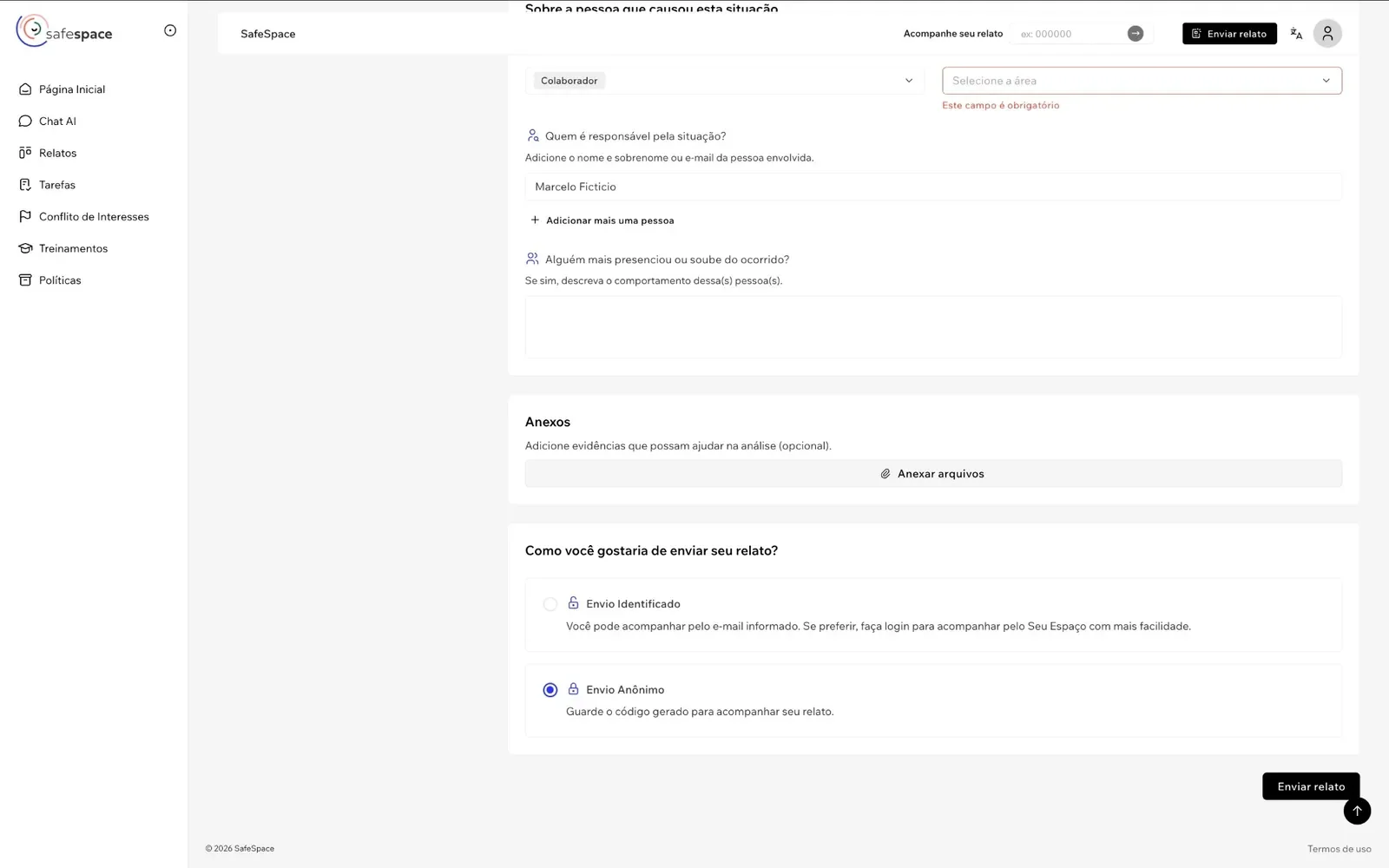
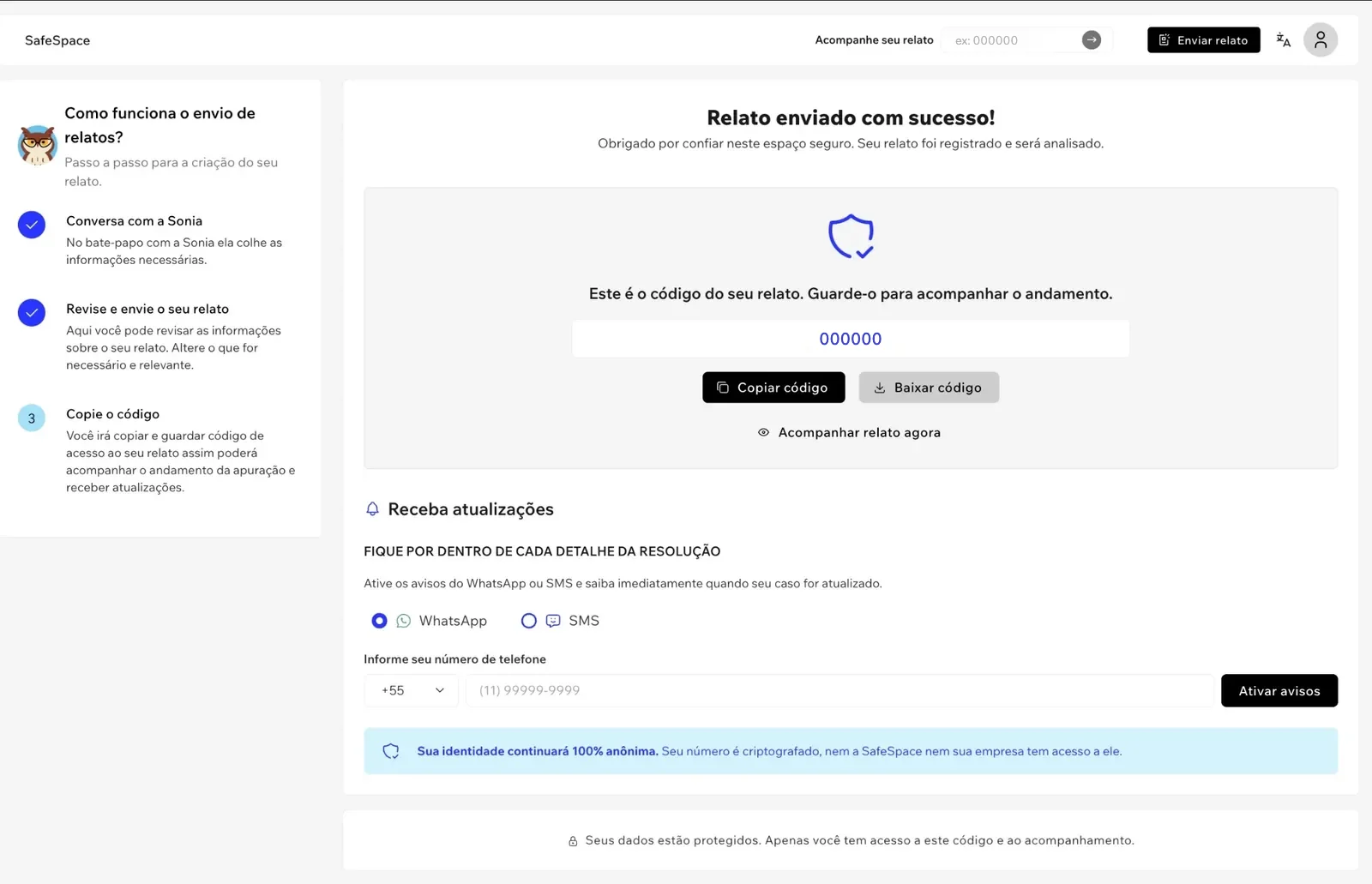
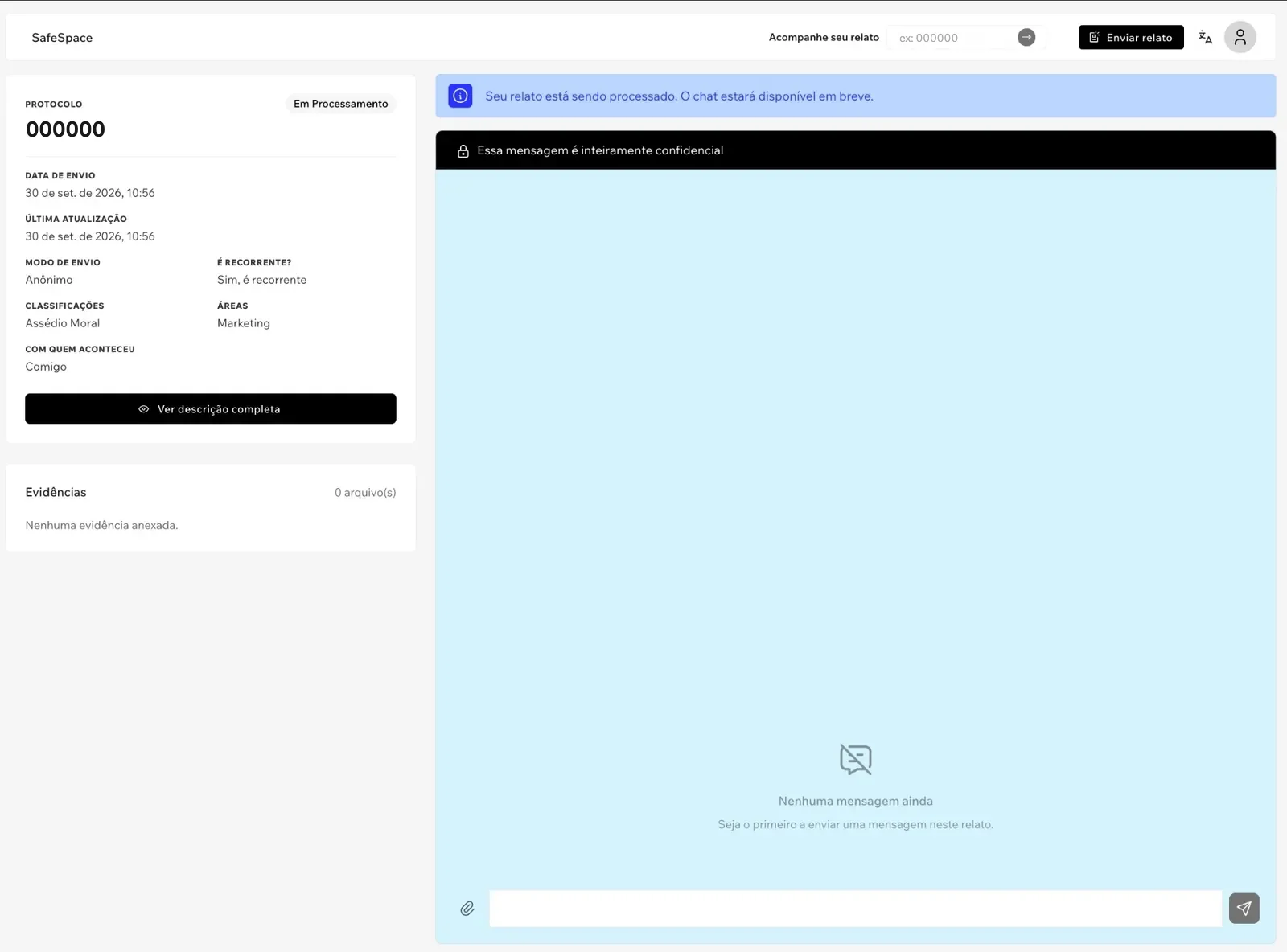
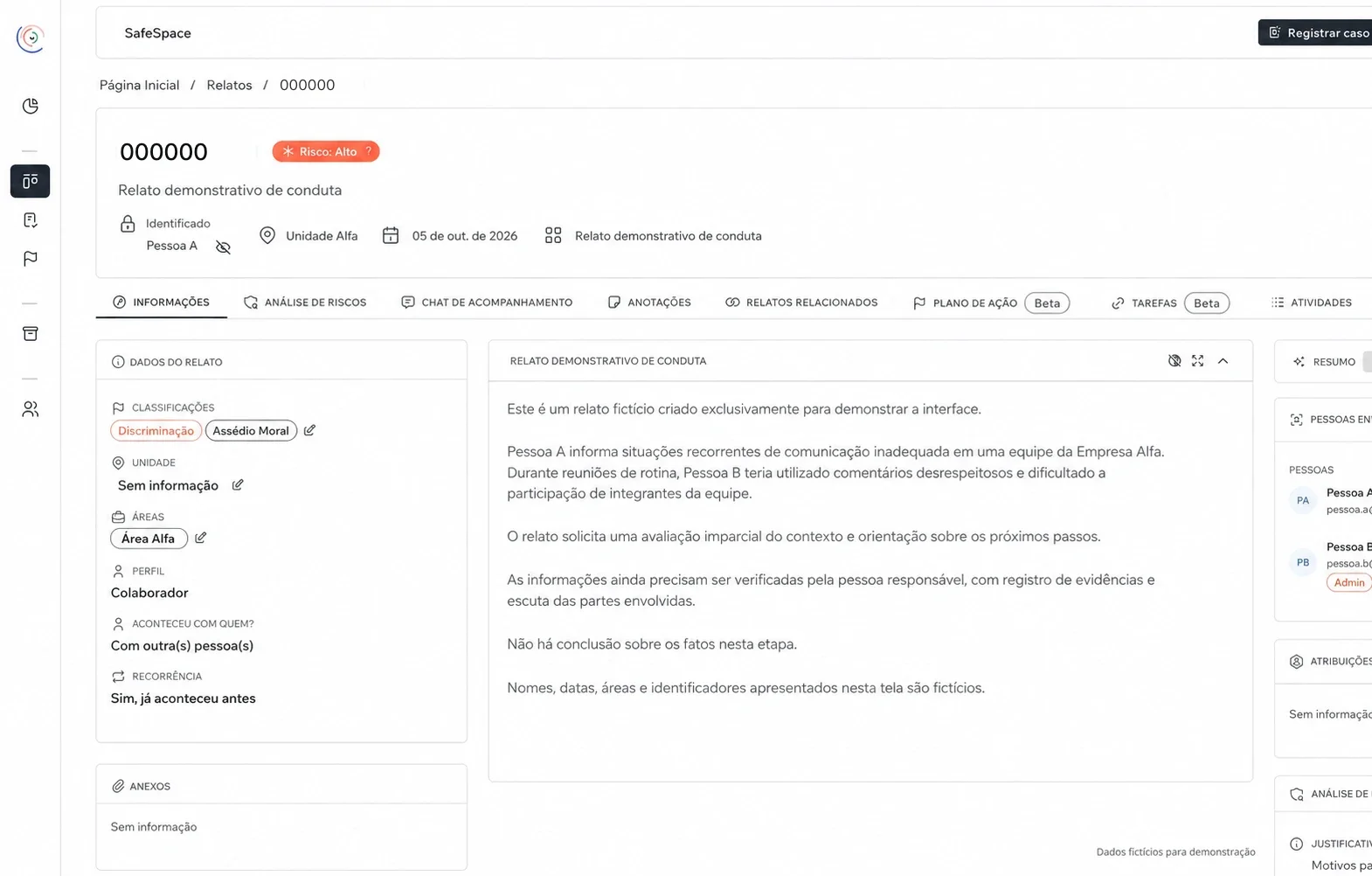
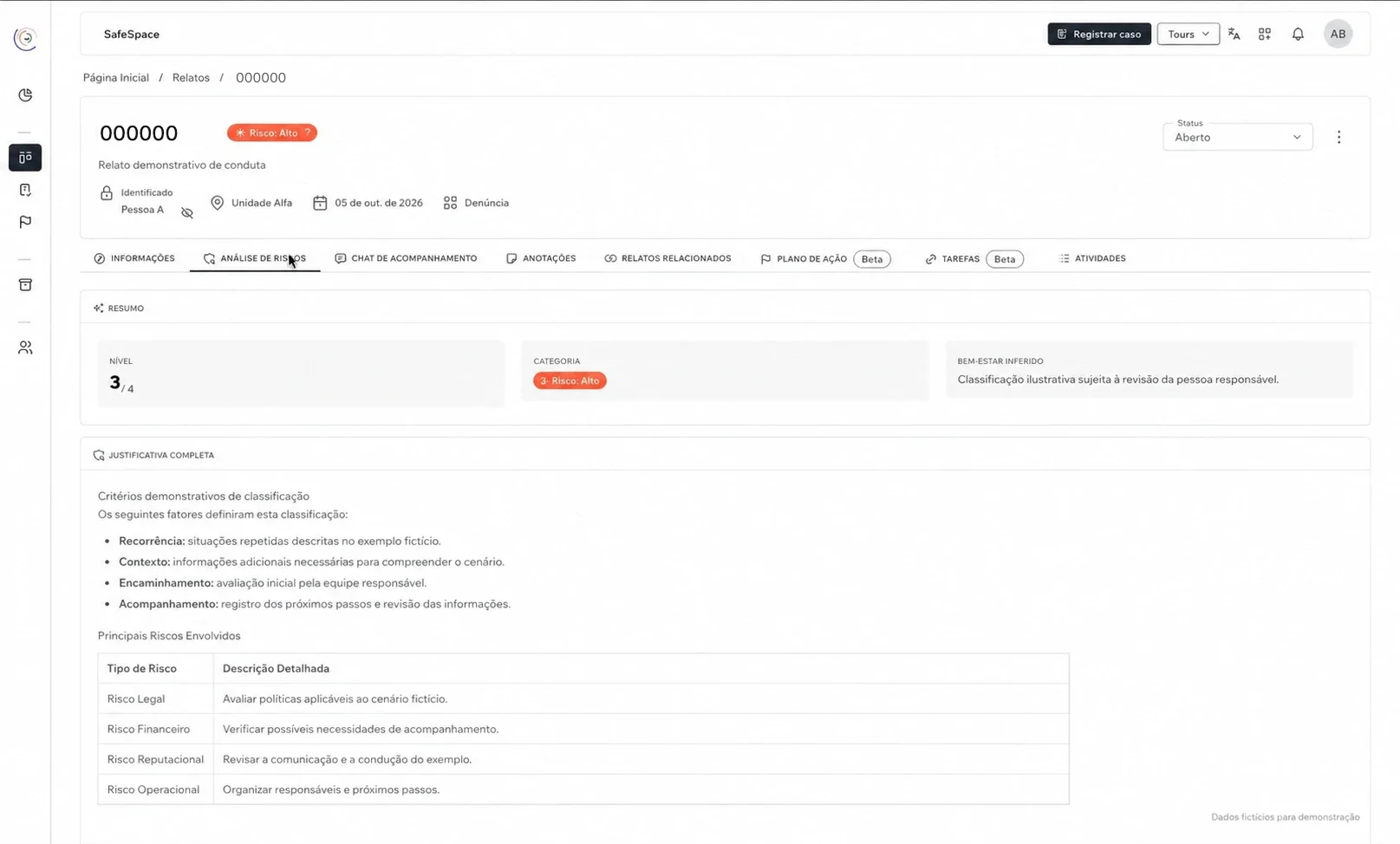
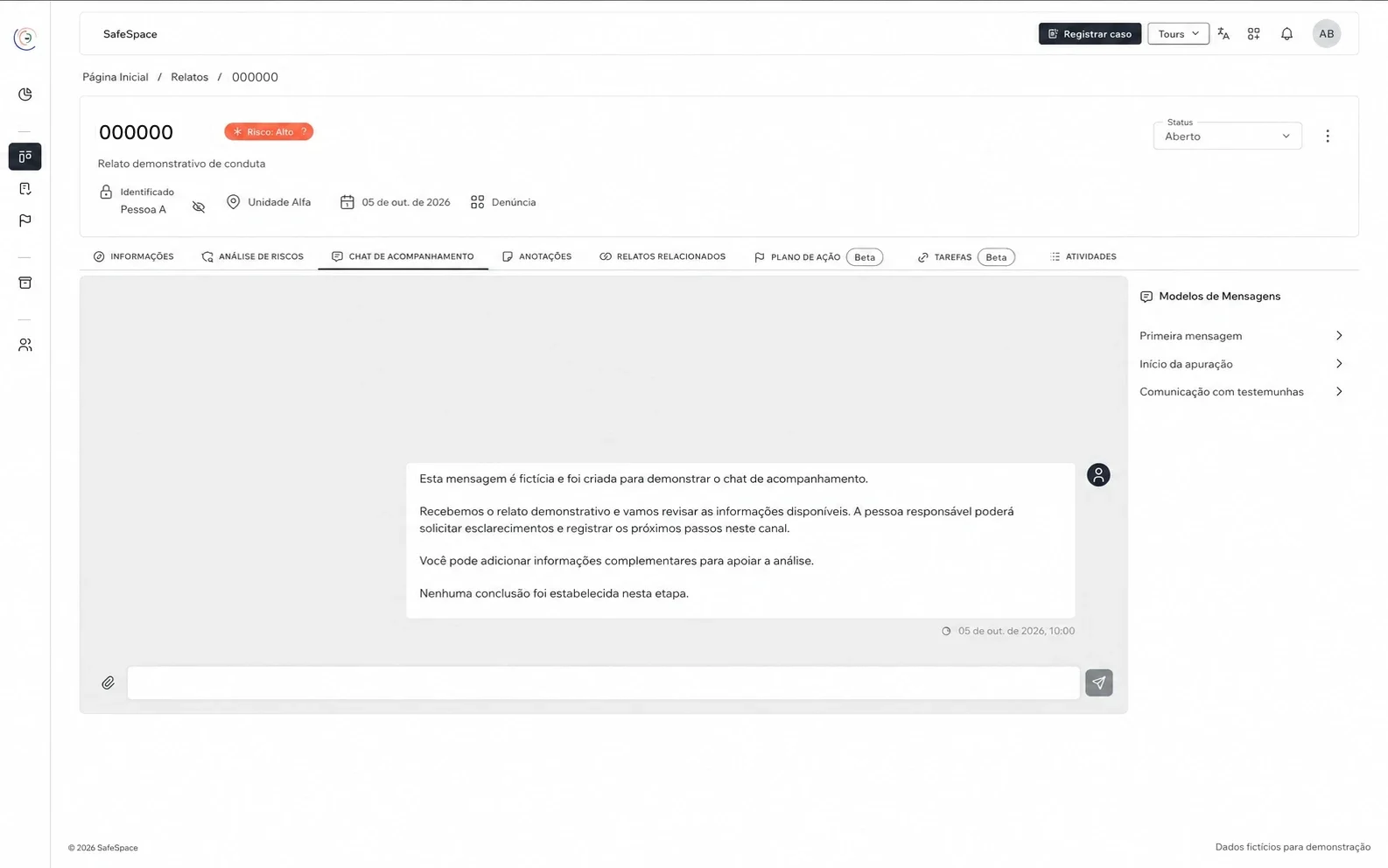
A single entry point for reports, complaints, questions and grievances, with a consolidated dashboard, and an AI layer that prepares the case without deciding on it. Sonia produces a title and summary, suggests categorization and risk classification, and does the initial routing.
Everything is editable, and presented as a suggestion rather than a conclusion. In conduct management, the cost of a mistake isn't rework: it's a person misclassified and a company legally exposed. Automation that decides on its own transfers risk without transferring accountability, and that line was drawn at the start of the project, not discovered later.
05 - What sets it apart
What sets it apart
The product has three users who want different things from the same case, two of them in direct opposition. The person reporting needs discretion. The investigator needs context. Every feature that gives the investigator more information has to be weighed against what it exposes about whoever reported.
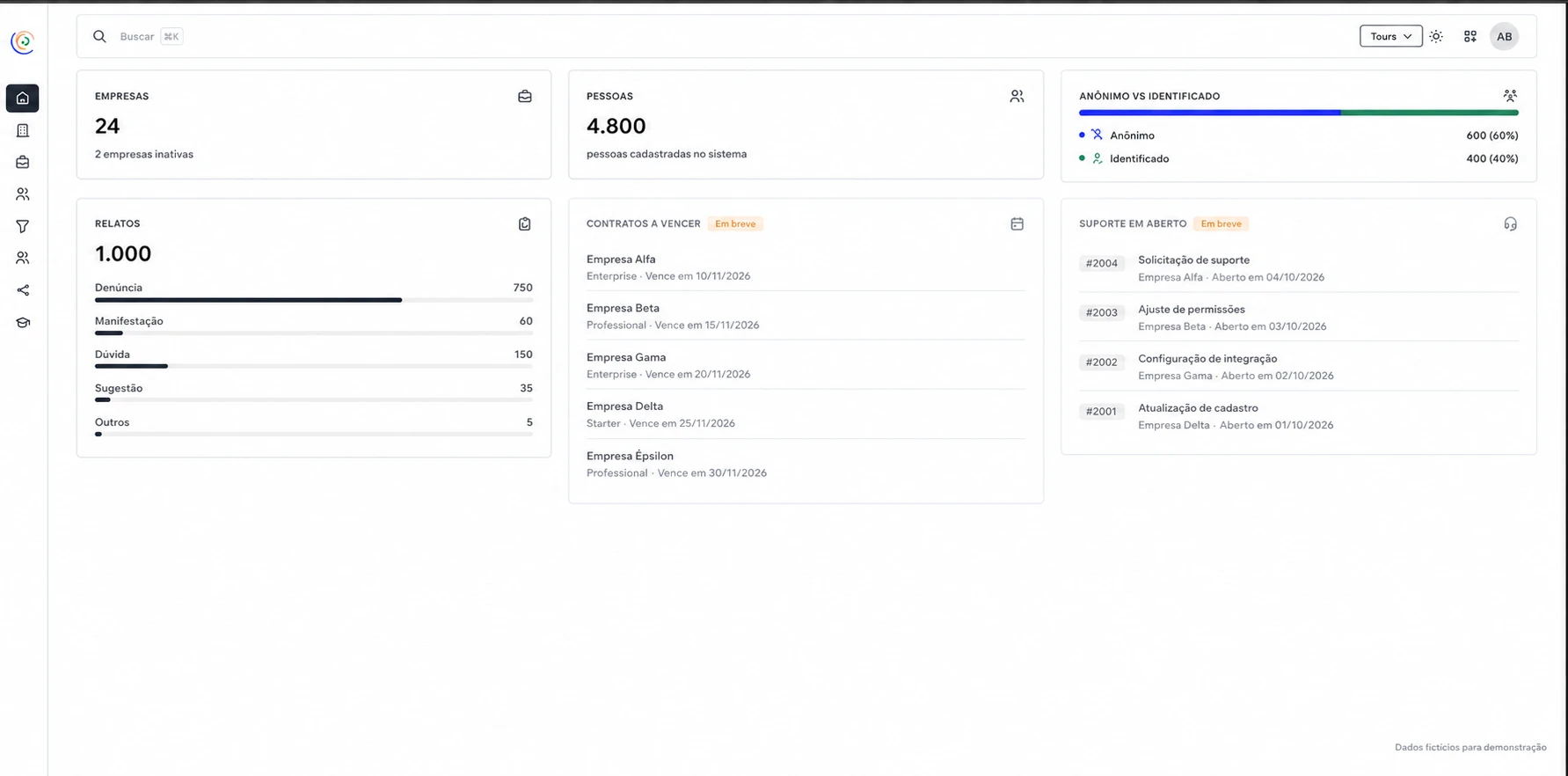
The third user changes the nature of the problem. Safe Space's back office serves several companies at once, with different levels of autonomy: in some contracts it only follows up, in others it runs the entire investigation. That means the same case has to be readable by someone who doesn't belong to the organization where it happened, without that readability becoming undue exposure.
Designing for all three at once was the core of the work. Automating triage makes that trade-off more delicate, not less, because the AI now prepares a case that will be read by profiles with different access rights.
06 - Impact
Impact
up to 60%
reduction in report triage time
95%
completion of the investigation flow, with better-documented cases and more effective intervention
+40%
follow-up on anonymous reports
4 → 1
entry channels unified, with a consolidated dashboard
07 - Employee view
Employee view
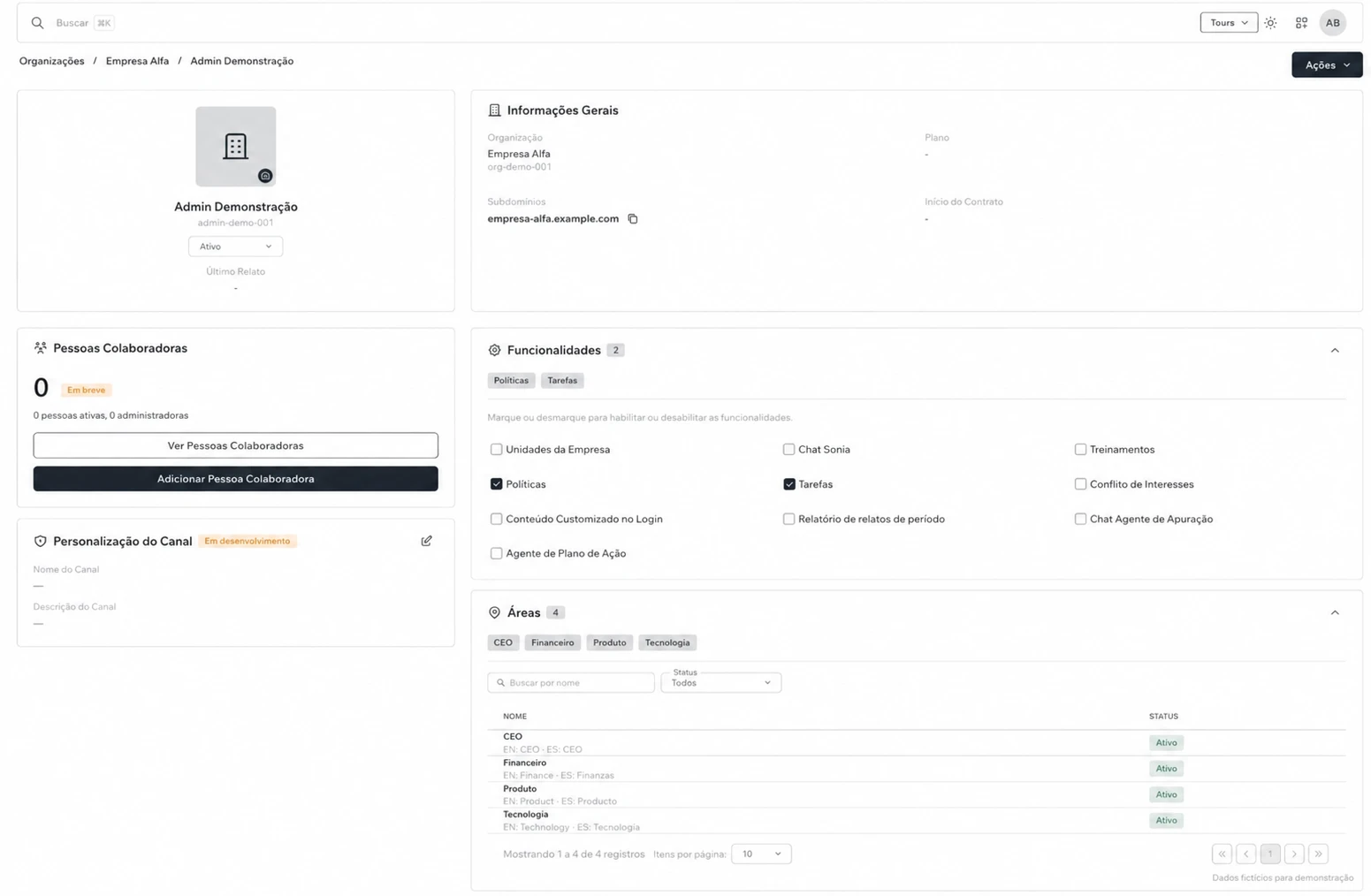
08 - Admin view
Admin view
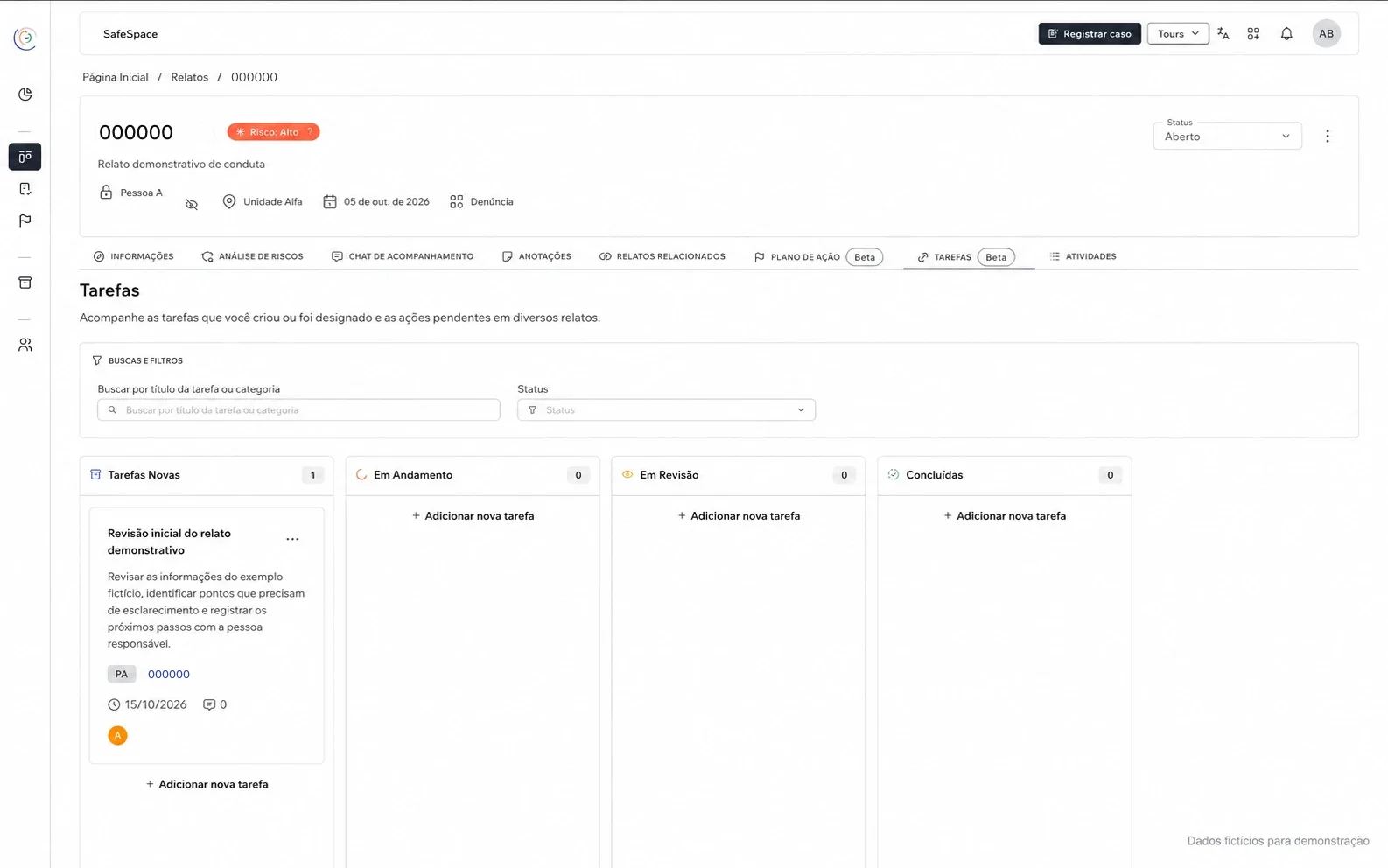
All data shown in these screens is fictional and created for demonstration only: names, tracking codes, areas, dates, the report content and the replies from whoever handles the case. None of it belongs to real people, to anyone who filed a report or to anyone responsible for one.
09 - Back office team view
Back office team view
10 - Case presentation
Case presentation
The full case presentation: discovery, testing, agent architecture and impact. Password required.
11 - Links